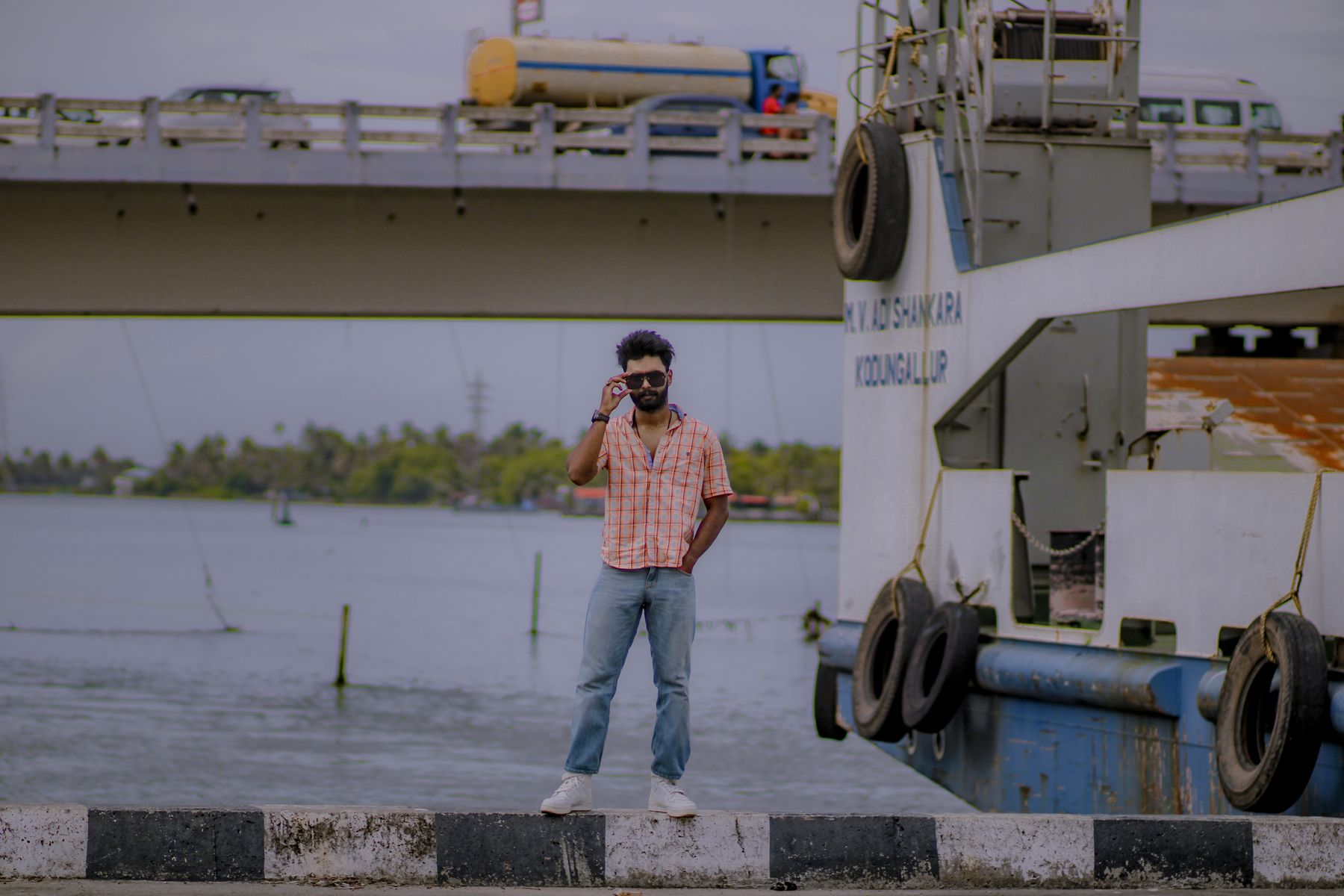

Getting to Kumbalangi from the mainland
Kumbalangi sits on the edge of the Vembanad backwaters, roughly 20 to 25 km south of Ernakulam's centre and about 12 km past Fort Kochi. By car or auto-rickshaw from Fort Kochi the run via Thopumpady and Kumbalangi Road takes 30 to 40 minutes; from Ernakulam it is closer to an hour. Buses leave from Fort Kochi and Vyttila, but you will usually change at Thopumpady or Palluruthy, which adds time the drivers do not. For a first visit, I would book a car or auto both ways rather than chain two buses each direction.
If you are staying in Fort Kochi or Mattancherry, an early start is worth it. The lanes are at their best before 9am, when the light is low, the net crews are working and the heat has not built. Afternoon visits are hotter and the light flattens for photographs. Weekdays are noticeably quieter than Sundays, when domestic visitors arrive in numbers. Carry water, and expect the day to end faster than you planned if you are walking in April or May, when humidity is at its heaviest.
What the lanes actually look like
Kumbalangi is a cluster of wards linked by narrow concrete lanes, most of them wide enough for a scooter or a person carrying a bundle, and not much else. The island is known for its Chinese fishing nets, coir-making, prawn and fish farming and crab cultivation, and the walk passes all of it: net frames silhouetted over the water, coconut-frond fencing, small holding ponds, and the occasional roadside toddy shop. There is no flagship monument and no ticket gate. This is a working village where tourism is a sideline, so the interest is in the small things.
Signage is limited and lane junctions are rarely marked. The most reliable markers are the main Kumbalangi road running north to south, the bridge at the north end, and the jetties along the eastern edge. Homestays double as informal landmarks, and a few have signs at the turn-off. If you plan to walk without a guide, save an offline map before you leave Kochi and pick one main lane as your spine, taking side lanes and returning to it. That way you will not lose an hour to a dead end.
Walking with a guide versus going alone
Guided village walks are the standard way to see Kumbalangi and are arranged through homestays, Kochi tour desks and local operators. A familiar local navigates the lanes, explains the net system and aquaculture work, and can arrange a boat through the backwater channels. Most guided visits run two to three hours and often finish with a village meal or a toddy-shop stop. Costs vary by operator and group size, so I would ask for the all-in figure — guide, boat, meal — at the time of booking rather than deciding on the day.
Going alone is entirely possible and gives you a slower, quieter visit, but you will miss the context. The lanes reward someone who can tell you what a particular pond is being used for. My suggested compromise: a short guided walk in the morning, then an hour or two unaccompanied along the main lane near where you are staying. Vypin island, reached by the ferry from Fort Kochi, makes a similar half-day and works well as a pairing if you have two days in Kochi.
Practicalities: what to wear, when to go, what to skip
Wear light clothing that covers the shoulders and knees, and shoes you can walk in on damp concrete. Sunscreen and a hat matter more than most visitors expect; the lanes have patches of shade but little continuous cover. Mosquito repellent is useful from late afternoon. Ask before photographing people at work, the net operators especially, and do not step onto private jetties or into fenced ponds. Alcohol is not sold openly in the village beyond the toddy shops, and drinking in the lanes will not read well.
Best months are November to February, when the weather is dry, the light is good and walking is comfortable. June to August brings heavy rain and the lanes can flood. Skip the idea of a beach day; there is no swimmable beach here, and the water is shallow, silted and used for cultivation. Also skip trying to cover every lane. Three or four hours on foot, with a boat ride, is enough to see the village properly. The museum at the nearby Kumbalangi Integrated Tourism Village is open on select days only — check before you build the day around it.
Related articles
Where to stay
Hotels in Fort Kochi

Good to know
Questions, answered
How far is Kumbalangi from Fort Kochi?
About 12 km, or 30 to 40 minutes by car depending on traffic at Thopumpady. From Ernakulam it is roughly 20 to 25 km and closer to an hour. Buses run but usually need a change at Thopumpady or Palluruthy.
How long does the village walk take?
Most guided walks run two to three hours and include a boat ride. Walking alone at an easy pace, allow three to four hours to cover the main lanes and a couple of jetties without rushing. The lanes are flat but not continuous.
Do I need a guide to walk Kumbalangi?
No, the lanes are public and you can walk them alone. A guide adds context on the fishing nets, aquaculture and coir work, and can arrange a boat. For a first visit I would book a short guided walk.
What is the best time of year to visit?
November to February is the most comfortable, with dry weather and good light. March to May is hot and humid. The monsoon from June to August brings heavy rain, and some lanes can flood.
Is Kumbalangi worth visiting from Kochi?
Yes, if you want to see backwater village life rather than a monument. There is no single sight, so the visit is about the lanes, the nets and the aquaculture ponds. Allow half a day including travel.
What should I wear and bring?
Light clothing covering shoulders and knees, comfortable shoes for damp concrete, a hat and sunscreen. Bring water, and mosquito repellent if you stay into the evening. Cash is useful for small purchases and toddy shops.
Can I do a boat ride through the backwaters there?
Yes, short country-boat rides through the channels are usually arranged through homestays or the guide you book with. Confirm the price and duration before boarding, and note that boats are small and shade is limited.
Where should I stay for a Kumbalangi visit?
Fort Kochi and Mattancherry are the most convenient bases, with a 30 to 40 minute drive to the island and plenty of dining and heritage streets nearby. Ernakulam suits travellers arriving by train, at about an hour's drive.
Doing good is the business
Every booking in Kochi removes one tonne of CO₂
Same hotel, same room, same live price you would pay anywhere else — IMPT funds one verified tonne of carbon removal per stay, never added to your bill.