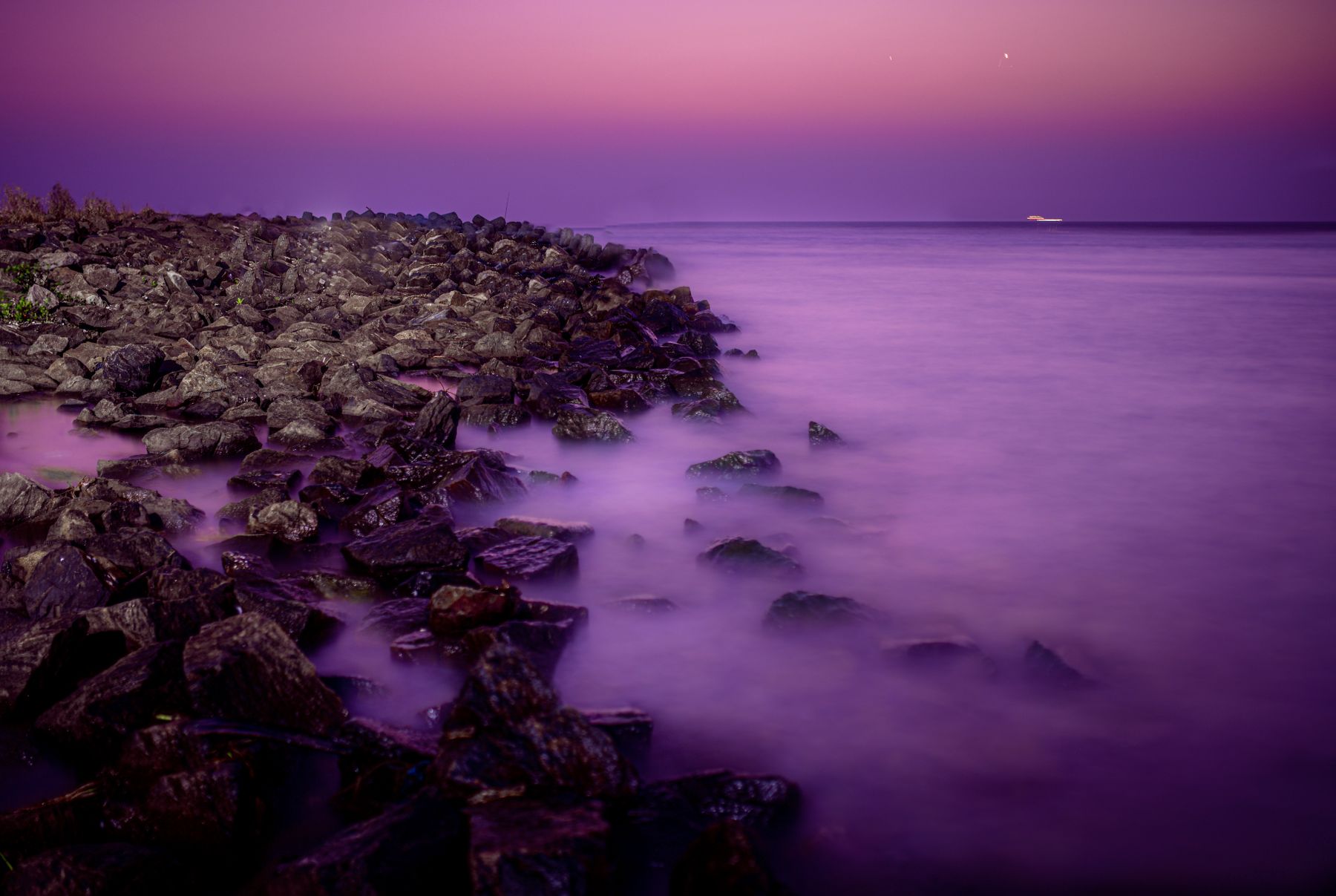

Fort Kochi and the beach behind the Chinese fishing nets
Off-season in Kochi means the monsoon months of June to August and the lull either side of them, when the tour buses thin out and the waterfront belongs to fishermen again. The strip north of the Chinese fishing nets along K.J. Herschel Road is the easiest quiet shoreline to reach: walk ten minutes from Vasco da Gama Square and the crowd simply stops. Swimming is not advisable anywhere along here — the undertow is real and the sand is dark and coarse — but for a shaded bench, a book and the sight of cantilevered nets creaking down, it is hard to beat, and it is free.
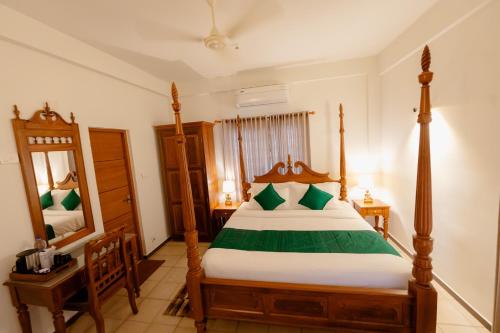
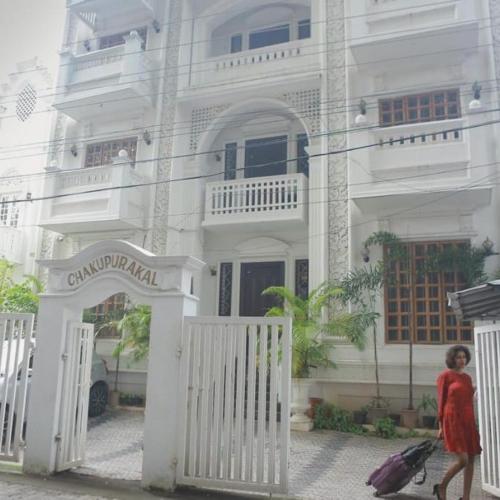
The lanes behind the beach reward an early start. Bishops Garden, Princess Street and Rose Street are at their best before eight in the morning, when the only traffic is a bicycle and the smell is of rain on laterite. Guesthouses here cluster in restored Dutch and Portuguese houses; expect mid-range rooms within a short walk of the water. If you want to base yourself for quiet mornings, I would book in Fort Kochi itself rather than Ernakulam and accept the 40-minute drive in from the airport — you get the shoreline before anyone arrives.
Vypin Island and the Cherai stretch
Cross to Vypin on the Kochi–Vypin RoRo ferry from the Fort Kochi jetty, a short crossing that runs through the day and costs a few rupees; it is the cheapest sea view in the city. Once across, head north past Pallipuram towards Cherai and Njarakkal, where the island narrows and the beach runs long and almost empty. Out of season you may share it with a handful of crab fishermen and a few dogs. The water is shallow and warm; still not a swimming beach, but excellent for wading to the ankles at low tide.
Njarakkal is also where the island's aquaculture ponds and mangroves begin — worth an hour if you like birds. Buses along the Vypin main road are frequent and slow; a hired scooter makes the run in half the time. Note that facilities are scarce: no sun loungers, few toilets, and the shacks that operate in December close without notice in July. Carry water and cash. For a base, Vypin has small homestays near Pallipuram Fort, but I would keep sleeping arrangements in Fort Kochi or Ernakulam and treat Vypin as a half-day.
Marari and the southern run — worth the drive, not the stay
South of Kochi, the coast towards Mararikulam and Chellanam is the classic quiet-sand answer, and outside December the difference is dramatic: the beach at Marari, 12 to 15 kilometres south of Alappuzha and roughly an hour and a half by road from Ernakulam, empties out almost entirely. The sand is pale, the palms run right to the waterline, and the fishing villages stay working. Off-season rates at the small resorts drop noticeably, though many close for the monsoon and reopen in October.
Chellanam, closer in and strung along the harbour mouth, is more interesting than pretty — you will see Chinese nets, fish auctions and the sea wall. It is not a place to lie on the sand, and the drive out from Ernakulam takes about 45 minutes. My recommendation: do Marari as a day trip with a hired car and driver arranged through your hotel, and keep your nights in Kochi, where you have restaurants, the Mattancherry ferry and the spice godowns to fill wet afternoons. Skip the beach at Cherai on weekends — it fills with local day-trippers and the road in jams badly.
Kumbalangi, islands and what to skip
Kumbalangi, reached by road south-east of Fort Kochi across the Aroor bridge, is a backwater village rather than a beach, but the shoreline there — mudflats, staked nets, canoes — is the quietest water near the city. Half- and full-day village walks are run by community groups and can be arranged through most hotels. Best months are October to March; in the monsoon the paths flood and the boat trips often stop. Bring mosquito repellent for evenings and shoes you do not mind getting muddy.
Skip the Ernakulam Marine Drive walk if you want solitude — it is a promenade, not a shore, and busy with families every evening. Skip Munambam too unless you are combining it with a Kodungallur trip, since the drive is long and the fishing harbour is not scenic. The Andhakaranazhi beach, further south in Alappuzha district, is lovely but at close to two hours from Kochi it belongs in a longer coastal itinerary, not a quiet morning.
Where to stay
Hotels in Fort Kochi
Good to know
Questions, answered
Which months are quietest on Kochi's beaches?
June to August are the emptiest months, though the monsoon brings heavy rain, rough seas and closures at beach resorts. Late September and early October are a good compromise: fewer visitors than December, mostly dry days, and the sea still too rough for swimming.
Can you swim at Fort Kochi beach?
No. The currents along the Kochi waterfront are strong, the seabed drops away, and there are no lifeguards. Treat all of Kochi's city and island beaches as places to walk and sit rather than swim, and keep children close to the waterline.
How do I get from Fort Kochi to Vypin without a car?
Take the RoRo ferry from the Fort Kochi jetty to Vypin, then a local bus north along the island's main road. The crossing is short and runs through the day. A scooter taxi from the ferry terminal is quicker if you are heading to Pallipuram or Njarakkal.
Is Marari beach worth a day trip from Kochi?
Yes, if you have a full day and a hired car. It is roughly 90 minutes south of Ernakulam, the sand is the best on this stretch, and out of season it is nearly empty. Many small resorts there shut for the monsoon, so check before travelling.
What should I pack for off-season shorelines in Kochi?
Light cotton clothing, sandals rather than trainers for muddy paths, a rain shell between June and September, high-factor sun cream for the dry breaks, and mosquito repellent for evenings near backwaters. Bring drinking water and small notes, as beachside shops rarely have change.
Where should I stay for easy access to quiet beaches?
Fort Kochi suits most visitors: walkable lanes, ferries to Vypin and Mattancherry, and restaurants for wet days. Ernakulam is better for transport links and business travel but needs a 40-minute drive to reach the water. Vypin homestays are peaceful but have few facilities.
Are there lifeguards or facilities on these beaches?
Generally no. Fort Kochi, Vypin and Chellanam have no lifeguards and limited public toilets. Njarakkal and Kumbalangi have a few small eateries, but seasonal shacks close without notice in the monsoon. Plan your day assuming you will find nothing open.
What else is there to do in Kochi on a rainy off-season day?
The Mattancherry Palace, the Paradesi Synagogue quarter, the spice warehouses and the Kerala Folklore Museum fill a wet morning well. Cooking classes and Kathakali performances run through the year, and the Ernakulam–Mattancherry ferry is a pleasant way to cross even in drizzle.
Doing good is the business
Every booking in Kochi removes one tonne of CO₂
Same hotel, same room, same live price you would pay anywhere else — IMPT funds one verified tonne of carbon removal per stay, never added to your bill.