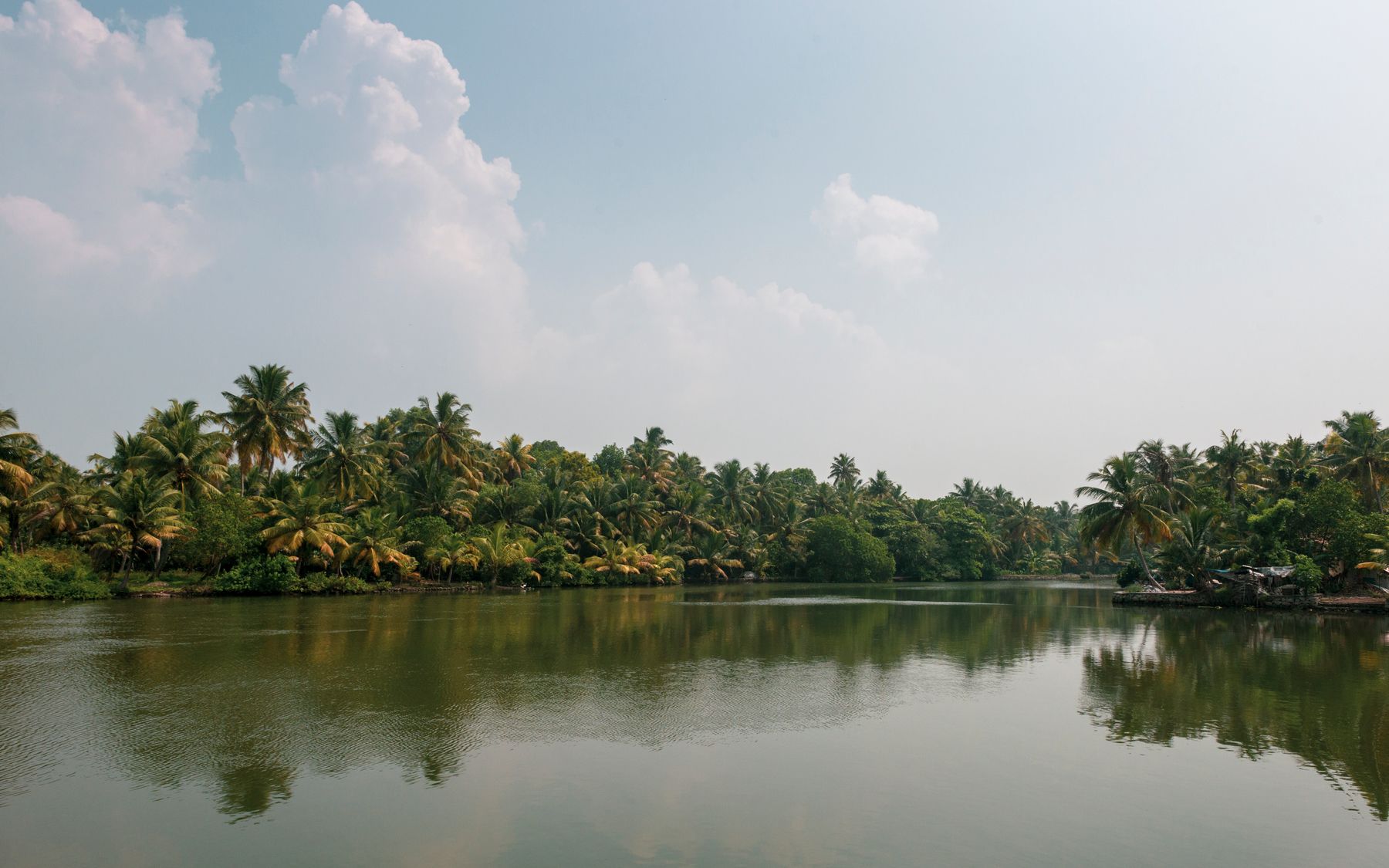

Where the water meets the streets
Start at the Chinese fishing nets on Vasco da Gama Square around 6.30pm, when the cantilevered teak poles creak against their counterweights and the operators call out in cadence as the net rises. The sound travels flat across the harbour, mixed with the slap of hulls from the country craft moored near the Kashi Art Cafe end of Bazaar Road. This is the loudest hour and the easiest listening; walk south along the seawall towards the Dutch Cemetery and the crowd noise thins to a single outboard and the ticking of rigging on the boats tied at the Fort Kochi jetty.
Two things to know before you set out. First, sunset in Kochi falls between roughly 6.10pm and 6.45pm through the year, so the good window is short — plan on 90 minutes, not three hours. Second, most of what you will hear is not wildlife but work: pumps on the fishing boats, a generator behind the shops on Peter Celli Street, the clatter of a kitchen closing at a heritage property. That is the honest soundtrack of these backwaters, and it is worth listening to properly rather than waiting for a symphony that does not arrive.
The Mattancherry shore and its cargo
Walk north from the Jain Temple Road junction towards the Mattancherry boat jetty between 7pm and 8.30pm and you get the working edge of the harbour. Wooden cargo boats offload rice and copra here, and the sound is specific: the hollow knock of planks being laid across gunwales, a winch with a slipping belt, men counting sacks aloud. A short way inland, the lanes around Jew Town fall quiet fast once the spice shops on Synagogue Lane shutter — you will hear a fan, a dog, and the occasional scooter. It is a striking contrast within 300 metres, and the safest stretch to walk alone after dark.
Skip the stretch of Bazaar Road between the boat jetty and the Dutch Palace after 9pm unless you are with someone. It is not dangerous so much as empty, with poor lighting near the warehouses, and there is little to hear beyond your own footsteps. If you want one long unbroken listen, take the 7.40pm ferry from Mattancherry to Ernakulam instead: the crossing runs about 20 minutes, and from the open deck the sound is the diesel thrum underfoot, water against the hull, and the far-off rise of Ernakulam's Marine Drive traffic as you approach.
Island nights: Vypin and Willingdon
From the Fort Kochi jetty, the Vypin ferry takes about 10 minutes and costs a few rupees; crossings run into the evening, though the last one is earlier than visitors expect, so check the board at the jetty on the day and do not cut it fine. On the Vypin side, the stretch north of the ferry landing towards Cherai is where the water noise changes character: less engine, more wash, more wind in the coconut palms. Between roughly November and February the northeast monsoon has gone and the nights are dry, which is when standing at the edge of the backwater is genuinely pleasant rather than a soaking.
For a sheltered listen, the Willingdon Island causeway road has a long straight run of water on both sides and traffic that drops away after 9pm. You will hear the hum of the Kochi Port cranes at the Container Terminal and, if a ship is moving, a low rumble that carries for kilometres. You cannot walk the port area itself — it is restricted — but the public road gives you the sound without the access problem. Do not expect birdsong; the herons and egrets roost at dusk and go quiet, and the night belongs to insects, frogs and the odd nightjar in the mangroves near Kumbalangi.
Making a night of it, and where to sleep
The practical version: begin at the fishing nets at 6.30pm, follow the seawall south for 20 minutes, cut inland to Peter Celli Street for a coffee, then take the short walk to the Mattancherry jetty. That is roughly 3.5km on flat ground with a couple of unlit patches. Bring a torch, wear closed shoes because the seawall stones are uneven, and keep insect repellent on — the mosquitoes along the water are serious from June to September. Skip the guided "night walk" offers that appear on Fort Kochi noticeboards in high season; you can hear everything described here on your own, and the route is short enough to walk twice.
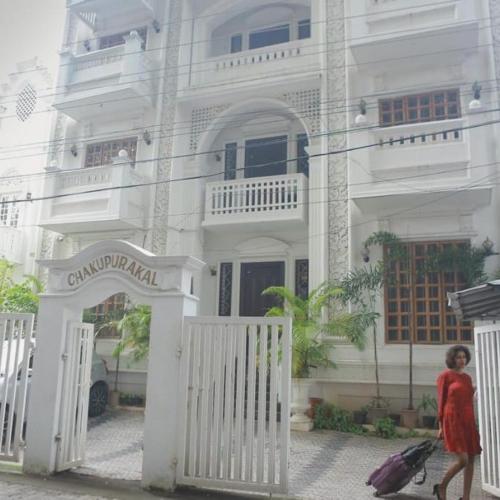
Where you stay changes what you hear. A heritage property in Fort Kochi between Princess Street and Rose Street puts you inside the old quarter, but the lanes carry voices until late, and you may want earplugs. For quiet, look at the hotels along the Vypin waterfront or on the quieter end of Willingdon Island, where the only night noise is water and the occasional ship's horn. Rates in Fort Kochi run higher in December and January and drop noticeably from April to September, when the monsoon keeps the harbour loud and the streets empty. If I were booking for this walk, I would take a Fort Kochi property in November — close enough to walk to the nets, far enough from Bazaar Road to sleep.
Where to stay
Hotels in Fort Kochi

Good to know
Questions, answered
What time should I start a night sound walk in Kochi?
Begin at the Chinese fishing nets on Vasco da Gama Square at about 6.30pm, before full darkness. The harbour is busiest and most audible in the 90 minutes around sunset, which falls between 6.10pm and 6.45pm through the year. Starting later means missing the net operators at work.
Is it safe to walk around Fort Kochi and Mattancherry at night?
The main lanes between Princess Street and the Mattancherry jetty are fine after dark with ordinary care. Lighting is patchy near the warehouses on lower Bazaar Road, so avoid that stretch alone after 9pm. Use a torch, keep to the wider streets, and take the same precautions you would in any city.
How do I get between Fort Kochi and Mattancherry in the evening?
It is a walk of about 3km, roughly 40 minutes on flat ground. Short ferries and jetties link the two, but evening services thin out earlier than visitors expect, so check the board at the jetty on the day rather than relying on a timetable you read before your trip.
When is the best month for this walk?
November to February gives dry, comfortable nights and the clearest sound. The southwest monsoon from June to September brings heavy rain and fewer evening walkers, though the harbour stays noisy. March and April are hot and humid but quiet in terms of tourist crowds, and hotel rates are lower.
What will I actually hear on the backwaters at night?
Mostly working sounds: outboards, winches, pumps, a generator behind the shops, frogs and insects in the mangroves. Herons and egrets roost at dusk and fall silent. Near Willingdon Island you may hear the container terminal cranes and, if a ship moves, a low rumble that carries a long way.
Can I visit Willingdon Island and the port area at night?
You can drive or walk the public causeway road, which gives water on both sides and the sound of the port. The container terminal and dock areas themselves are restricted and not open to visitors. Do not attempt to walk into the port zone; watch and listen from the public road instead.
What should I bring on a night walk along the Kochi backwaters?
A torch, closed shoes for the uneven seawall stones, and insect repellent — mosquitoes along the water are persistent from June to September. Carry water, since the humidity stays high after dark, and keep a light layer for the breeze off the harbour in December and January.
Which part of Kochi should I book a hotel in for quiet nights?
For silence, the Vypin waterfront or the quieter end of Willingdon Island, where the night noise is water and the occasional ship's horn. Fort Kochi between Princess Street and Rose Street puts you inside the old quarter and within walking distance of the nets, but the lanes stay lively late; bring earplugs.
Doing good is the business
Every booking in Kochi removes one tonne of CO₂
Same hotel, same room, same live price you would pay anywhere else — IMPT funds one verified tonne of carbon removal per stay, never added to your bill.