Neighbourhood picks
Kochi Without the Guilt: A Traveller's Guide to a Lower-Carbon Trip
From electric ferries to the metro's solar-powered line, Kochi makes it genuinely easy to cut your holiday emissions — and a few hotel choices make the difference.
Getting There: Landing at COK and Choosing Your First Move
Cochin International Airport (COK) at Nedumbassery runs on solar power — the first airport in the world to do so — so your landing is already low-carbon. The 40 km to Fort Kochi takes 75–100 minutes by road, and a pre-paid taxi costs roughly ₹800–1,200; you can pre-book a hotel airport pickup in the same band. The diesel boat from Vypin to Fort Kochi is cheaper but slow with luggage. If you land between June and August, expect monsoon delays; November to February is the driest, coolest window.
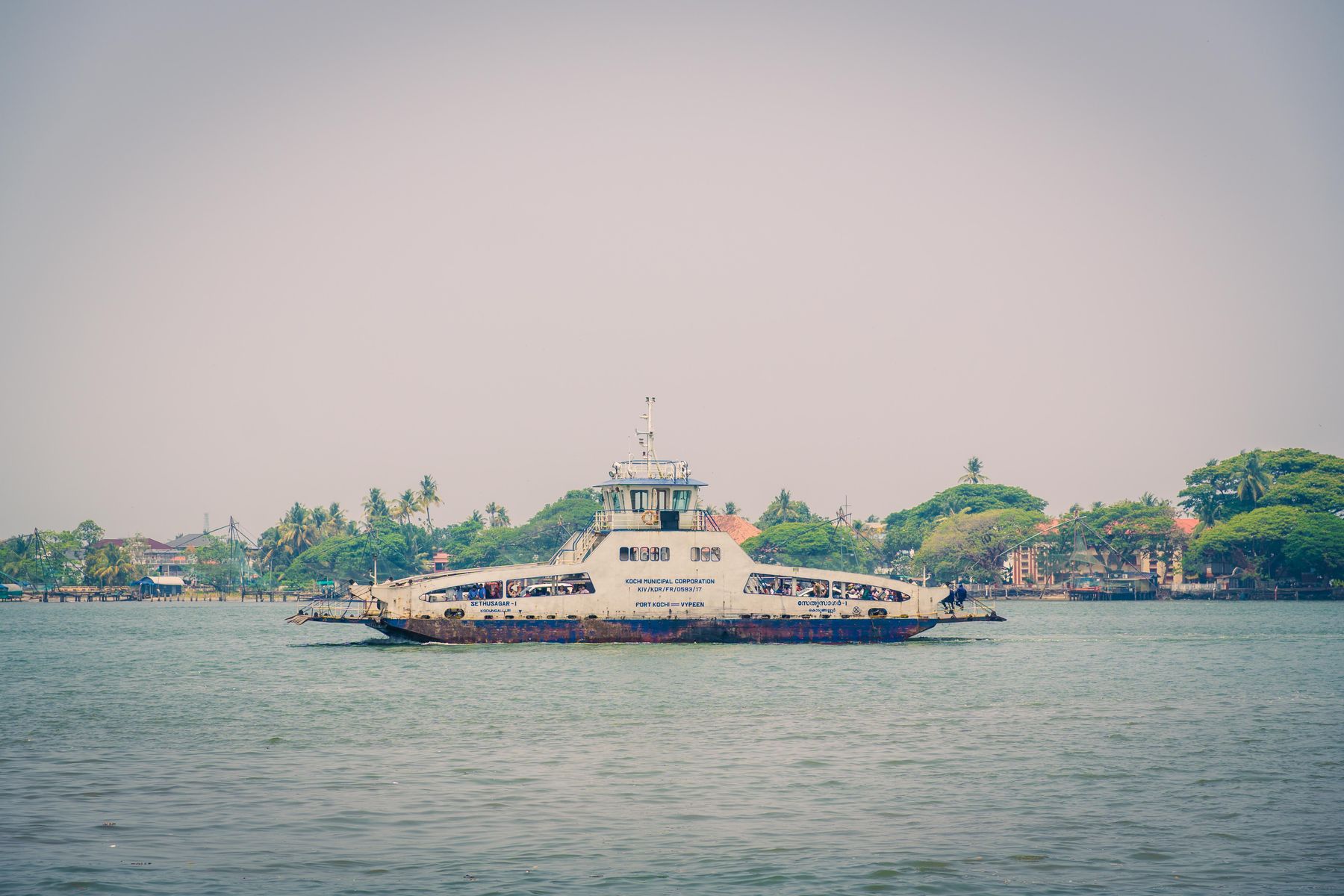
Once in the city, the Kochi Metro is your best tool. It runs from Aluva to Tripunithura on solar-assisted power, and a Kochi1 card costs ₹100 with fares from about ₹10. It won't reach Fort Kochi or Mattancherry, so pair it with the state Water Metro from Vyttila or Kakkanad, or the ₹8–20 ferries from Ernakulam's Main Boat Jetty. Staying near a metro station at Kaloor, MG Road or Edappally cuts your daily cab spend and emissions sharply.
Where to Stay: Fort Kochi, Ernakulam or Marine Drive
Fort Kochi and Mattancherry are walkable, compact and historic — Dutch Cemetery Road, Princess Street, Jew Town and the Chinese fishing nets are all within 20 minutes on foot. The downside is you'll need a ferry or a 35–50 minute cab to reach Ernakulam's metro. Mid-range heritage homestays sit around ₹3,000–6,000 per night; that's the trip I'd book if you're here for colonial architecture, galleries and the Kochi-Muziris Biennale season (December–March).
Ernakulam's MG Road and Marine Drive are practical: metro, ferries, LuLu Mall at Edappally and the railway station are close, with hotels around ₹2,500–5,000. This suits travellers who want to move around the wider city. I'd skip the airport-belt hotels unless you have an early flight — Nedumbassery is 40 km from the sights, so you'll burn time and fuel backtracking. Also skip the temptation to rent a car; parking around Fort Kochi is tight and most journeys are short.
Eating and Moving with a Lighter Footprint
Kerala's food is already low-carbon by default: the sadya at a Fort Kochi or Ernakulam restaurant is vegetarian, seasonal and served on banana leaf. Try breakfast at a thattukada near Kaloor or Broadway — appam with stew, puttu with kadala, or idiyappam — for under ₹150. For seafood, the Chinese fishing nets area of Fort Kochi gets the freshest catch, but East Coast-style joints on Banerji Road in Ernakulam do good fish molee at similar prices. Carrying a steel bottle is easy: refill stations exist around Marine Drive and the metro.
For day trips, the ferry to Vypin and the bus to Cherai Beach (about 25 km, 45–60 minutes) are far lighter than a private cab. Alappuzha's backwaters are reachable by train from Ernakulam Junction in 1.5 hours, which is a better pick than driving if you want a day on the water. Within Fort Kochi, rent a bicycle — many homestays include one; the flat roads make it genuinely pleasant. And when you book a hotel, filtering for properties near metro or ferry stops is the single biggest emission cut you can make.
What to Skip, and When to Come
Skip private airport transfers in peak traffic hours (7–10 am, 5–8 pm) unless you've pre-booked; the metro and Water Metro combined will beat a car from Aluva or Vyttila to the centre. Skip the late-morning cruise boats that idle at Marine Drive — the scheduled ferries are cheaper and run more often. Skip Kumbalangi if you only have two days; it's 15 km south of the centre and needs a half day.
November to February is the best window: dry, 24–32°C, and the Biennale brings galleries and walking tours to Fort Kochi. March to May is humid (33–35°C) — travel early or late, and pick a hotel with a pool or strong AC. June to August is the monsoon; backwater trips and beach days get cancelled, but hotel rates drop and the city is green. Whatever you book, choose a property within 10 minutes of a metro or ferry point.
Good to know
Questions, answered
Can I do Kochi without a car?
Yes. The metro covers Aluva to Tripunithura, the Water Metro links Vyttila and Kakkanad, and ferries run from Ernakulam's Main Boat Jetty to Fort Kochi and Vypin for ₹8–20. Fort Kochi itself is walkable. You'll only need a cab for the airport run or Kumbalangi.
Which area is best for a first Kochi trip?
Fort Kochi and Mattancherry for history, food and walkability — hotels run ₹3,000–6,000. Ernakulam's MG Road or Marine Drive if you want metro and ferry access, at ₹2,500–5,000. I'd pick Fort Kochi for a 2–3 day trip, Ernakulam for longer stays.
When is the best time to visit Kochi?
November to February is driest and coolest, with the Biennale in Fort Kochi. March to May is hot and humid. June to August brings heavy monsoon rain and cheaper hotel rates, but backwater and beach plans often get washed out.
Doing good is the business
Every booking in Kochi removes one tonne of CO₂
Same hotel, same room, same live price you would pay anywhere else — IMPT funds one verified tonne of carbon removal per stay, never added to your bill.