
Read the June–August Rhythm Before You Plan
Kochi's south-west monsoon runs from roughly June to August, and the rain here rarely settles into a flat grey drizzle. It arrives in bursts: a heavy hour, then a break, then another burst. Average daytime temperatures stay close to 28–30°C, so wet afternoons are warm rather than cold. Locals plan around the gaps, and so should you. The Fort Kochi and Mattancherry lanes drain quickly because they sit on the peninsula's higher ground, while low-lying stretches near Thevara and the Ernakulam backwaters can hold water for an hour or two after a downpour.
Build your afternoon around two or three short outdoor stops rather than one long walk. A useful pattern: start indoors somewhere covered, move out the moment the rain eases, and keep the next shelter within a five-minute walk. Auto-rickshaws are the practical tool here — a short hop across Fort Kochi costs a modest fare by meter or a negotiated rate, and drivers know which lanes flood. Keep a light rain jacket and a dry bag for your phone; umbrellas are sold on every second corner near Princess Street for a few tens of rupees.
Fort Kochi and Mattancherry in the Rain
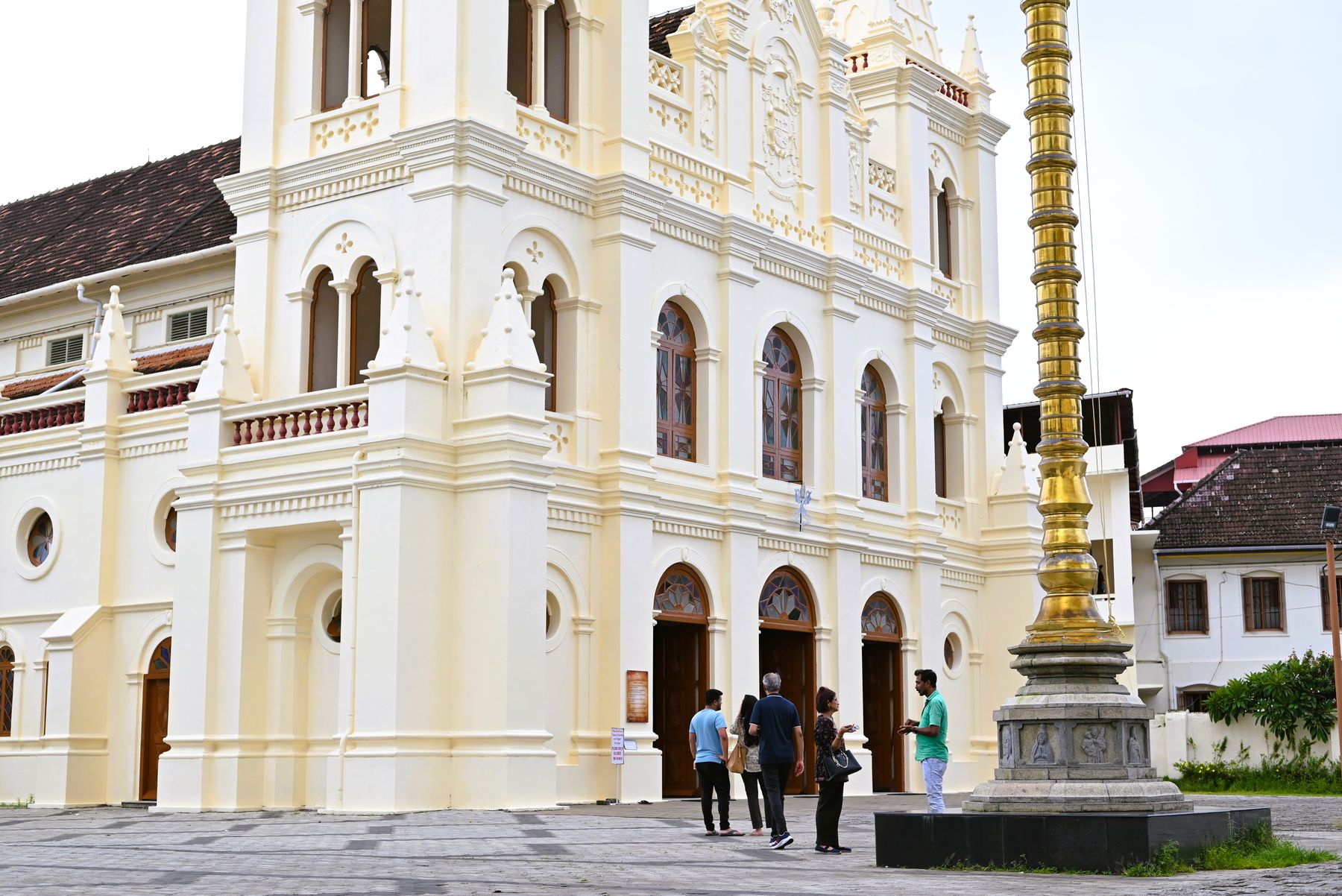
The Chinese fishing nets at Vasco da Gama Square are at their most photogenic in wet weather, with the cantilevered teak frames silhouetted against dark cloud and the fishermen working in oilskins. Stand under the nearby shelter at the square rather than on the pier itself. From there, walk south-east along Rose Street to St Francis Church, the oldest European church in India, where the covered verandah gives good shelter and the gravestones in the yard read well in rain-washed light. Santa Cruz Cathedral Basilica, a few minutes further, has a deep porch that stays dry in all but driving rain.
Mattancherry is a ten-minute auto ride south and worth the trip for the spice warehouses along Bazaar Road, where the smell of pepper and cardamom is strongest when the air is damp. The Dutch Palace (Mattancherry Palace) has a covered courtyard and painted murals, and the Jew Town lane beside it is narrow enough that the buildings themselves block much of the rain. Skip the waterfront walk between the two areas in heavy rain — the route along Calvathy Road has little cover and passing traffic throws water.
The Waterfront, the Metro and Ernakulam
If the rain is steady rather than dramatic, take the ferry. The Kochi Water Metro and the older Kerala State Water Transport Department boats both run between Ernakulam's main jetty and Vypin island, and a crossing gives you forty minutes of open water without ever standing in the rain — the boats are covered, and the views across to the Willingdon Island bridges are at their best under cloud. The Vypin terminus at High Court Junction is a short walk from Cherai-bound buses if the weather clears. Fares are low; the Water Metro is the more comfortable of the two, with air-conditioning and fixed timings.
In Ernakulam itself, Marine Drive is the obvious wet-afternoon walk, and it works because the paved promenade has trees and a long stretch of shopfronts behind it. The Rain Tree park area near the boat jetty offers decent cover under the older trees. For something more local, the Broadway market streets north of MG Road stay busy in rain — stalls pull tarpaulins across and the lanes become a maze of improvised awnings. Avoid the underpasses around Kaloor in a downpour; they pool water quickly.
Where to Base Yourself and What to Skip
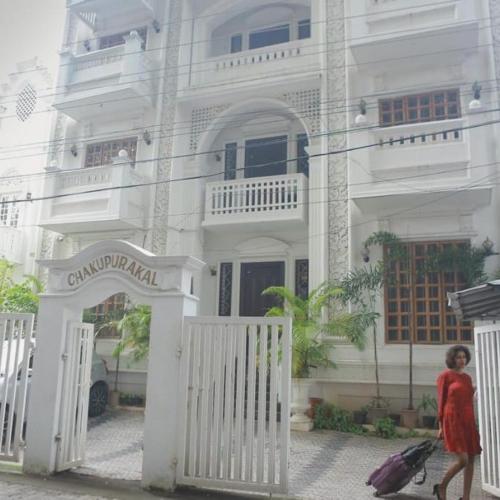
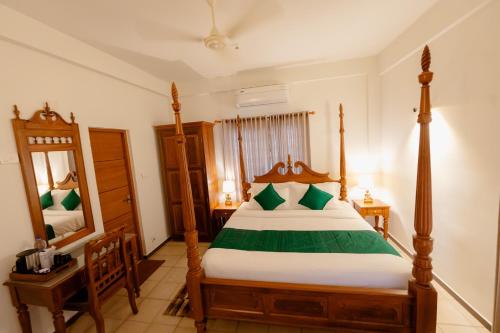
For a wet-weather visit, I would book in Fort Kochi rather than Ernakulam. The peninsula puts the churches, nets and spice lanes within a ten-minute walk of most guesthouses and small hotels, so you can duck out between showers without committing to a full excursion. Mid-range rooms in the lanes off Princess Street and Bazaar Road run in the region of a few thousand rupees a night, with simpler guesthouses well below that and heritage properties converted from old trading houses at the top of the band. Ernakulam suits a shorter stay built around the metro and ferry.
What to skip: the backwater cruises from Kumbalangi and the Alleppey road tours are poor value in heavy rain, when the boats are covered but the scenery flattens into grey. The beach at Cherai, 25 km north of Ernakulam, is a 45–60 minute drive and not worth it in a downpour. Hill Palace Museum in Tripunithura, 12 km east, is a worthwhile indoor stop but the gardens are the best part, so save it for a dry morning. Book accommodation with a cancellation window you can live with and keep the afternoons flexible.
Where to stay
Hotels in Fort Kochi
Good to know
Questions, answered
Does it rain all day in Kochi during the monsoon?
Rarely. June to August brings heavy but intermittent rain, often in bursts of an hour or two with drier gaps between. September and October are wetter and less predictable. Plan short outdoor windows rather than whole afternoons.
Which part of Kochi is best for a rainy-day stay?
Fort Kochi, because the Chinese fishing nets, St Francis Church, Santa Cruz Basilica and the Mattancherry spice lanes sit within a short walk of most hotels. Ernakulam is better if you want metro and ferry access.
How do I get around Kochi when it is raining?
Auto-rickshaws are the most practical option for short hops; agree the fare first or insist on the meter. The Kochi Water Metro and the older state ferries are covered, cheap and a good way to spend a wet hour on the water.
Is the Chinese fishing nets area worth visiting in the rain?
Yes. The wet weather gives the teak frames strong contrast against the sky, and the fishermen still work. Shelter at Vasco da Gama Square rather than standing on the pier, where spray and passing traffic add to the soak.
What should I pack for a wet afternoon in Kochi?
A light rain jacket rather than an umbrella for exposed waterfronts, a dry bag or zip pouch for your phone, and quick-drying footwear. Umbrellas are cheap and widely sold around Princess Street if you need one.
Are the backwater cruises worth it in heavy rain?
Generally not. The boats are covered but the views flatten and the experience is diminished. Save the Kumbalangi or Alleppey trips for a clearer day and keep the wet hours for Fort Kochi and Mattancherry.
How far is Cherai Beach from Ernakulam?
About 25 km north, roughly 45 to 60 minutes by road depending on traffic. It is a fair-weather destination; in a downpour the drive is long and the beach offers little shelter.
When is the best month for a Kochi trip if I want some dry hours?
December to February is the driest and most comfortable window, with cooler evenings. November and March are shoulder months. If you travel in the monsoon, accept wet afternoons and plan around the gaps.
Doing good is the business
Every booking in Kochi removes one tonne of CO₂
Same hotel, same room, same live price you would pay anywhere else — IMPT funds one verified tonne of carbon removal per stay, never added to your bill.