
Home/Blog/Birdwatching Around Kochi Without a Guide: Mangalavanam, Kumbalangi and the Backwater Edges
Neighbourhood picks
Birdwatching Around Kochi Without a Guide: Mangalavanam, Kumbalangi and the Backwater Edges
Kochi's winter migrants arrive between November and February, and three accessible sites — a city mangrove, a backwater village and a harbour breakwater — let you find them on foot, by ferry and by bus without hiring a naturalist.
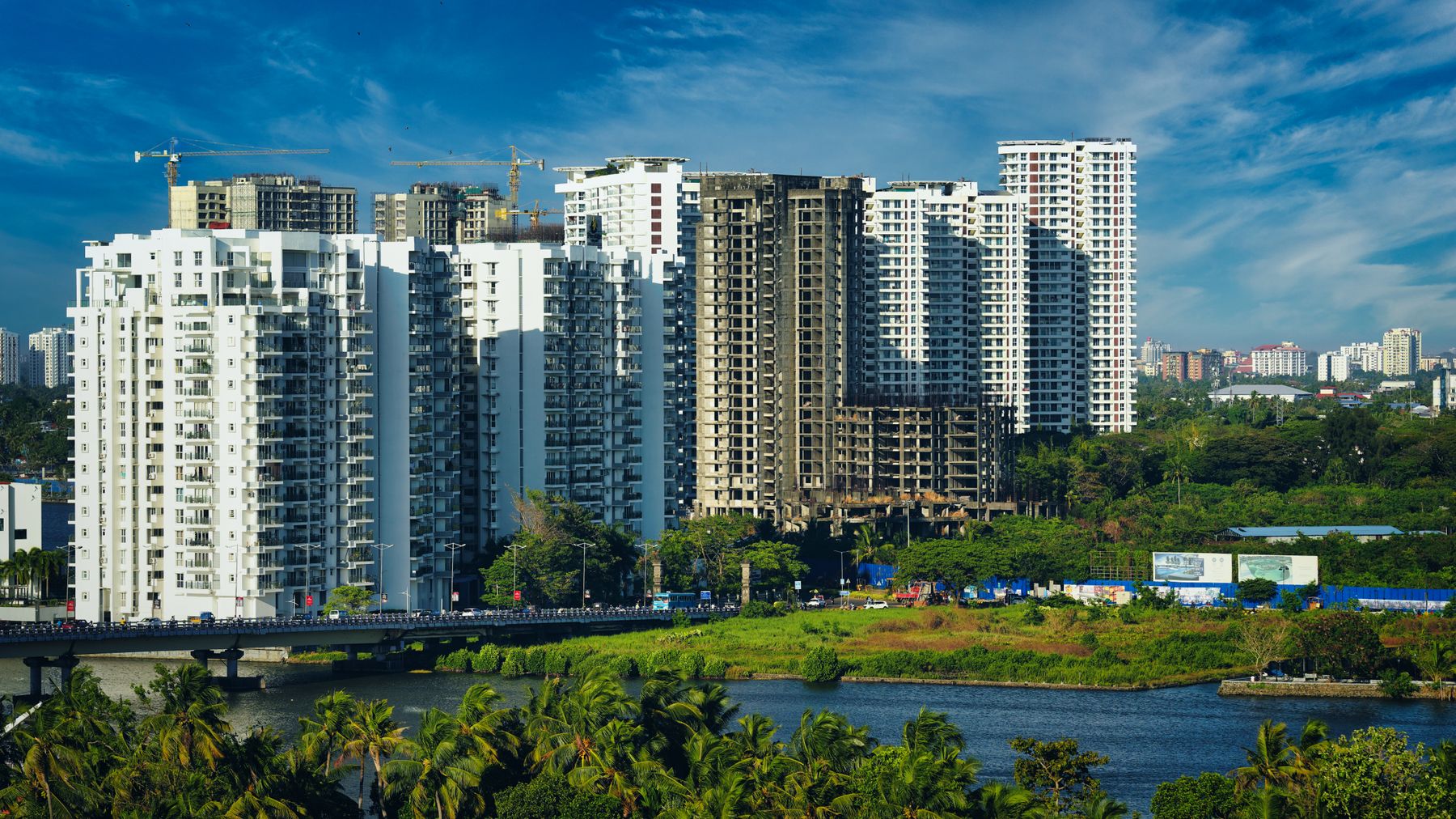
Start With Mangalavanam, the Mangrove Behind the High Court
Mangalavanam is a 2.7-hectare mangrove patch wedged between the Kerala High Court complex and the backwaters, about 3 km north of Fort Kochi across the bridges. It is a bird sanctuary, open roughly from early morning to late afternoon, and entry is free or nominal. From Fort Kochi take an auto to the High Court gate on Marine Drive side, or the ferry to Ernakulam jetty and walk 15 minutes. The loop path is short — under a kilometre — but the canopy holds kingfishers, herons, egrets, cormorants and, in winter, migrant warblers and flycatchers.
Go at opening, around 7am, because the light comes through the mangroves sideways and the birds are still feeding. Bring binoculars if you have them; the path is shaded and the birds sit high, so naked-eye spotting is frustrating after 9am. There is a small watchtower. Do not expect a guide at the gate — there is usually a Forest Department staffer, but this is a do-it-yourself site. Allow 90 minutes. The mosquitoes are serious in October and November, so cover your arms and ankles. From here you can walk to Marine Drive for breakfast.
Kumbalangi and the Backwater Ponds, 30 Minutes South
Kumbalangi, on the islands south of Ernakulam, is reached by bus from Kaloor or Vyttila in around 45 to 60 minutes, or by auto for a fixed fare from Fort Kochi — expect the ride to take about 35 minutes via Aroor. The village is built around brackish ponds and coir-making yards, and the pond edges are the point: purple herons, pond herons, white-breasted waterhens, bronze-winged jacanas and, on the paddy edges, egrets and ibis in winter. Chinese fishing nets line the channels here too, quieter than the ones at Fort Kochi.
Walk the lane from the Kumbalangi bus stop toward the model tourism village and follow any pond bund you are allowed onto — most are private, so ask before crossing a boundary. January and February are the best months: water levels are low, the paddy is cut and wading birds concentrate at the shallows. This is a half-day, not a full one. Combine it with a stop at the coir village or a backwater canoe ride run by village households. I would book this as a morning trip and be back in Fort Kochi for lunch.
The Harbour Edge and Vypin: Free, Close and Underrated
The breakwater along the Fort Kochi waterfront, from the Chinese fishing nets north to the beach, is a genuine birding strip in the early morning: terns, gulls, herons, kingfishers on the pilings and, in the shallows at low tide, sandpipers and plovers. No guide, no ticket, no schedule. Walk out along the rocks at the Kochi harbour mouth before 8am and you will see more than you expect. The same holds on the Vypin side, reachable by the short Ro-Ro ferry from Fort Kochi, where the beach at Cherai — a 20-minute auto ride north from Vypin jetty — gives you a wide open shoreline.
Cherai is busier and the sand is not pristine, but the backwater side of Vypin, along the fields between Njarackal and Edavanakkad, is where the interesting waders sit. December mornings are cool and clear. Do not walk out on the exposed rocks at high tide. If you want one easy, zero-plan morning, this is it — leave the hotel at 6.30am, walk the waterfront and be at a Fort Kochi café by 9am. For a base, staying in Fort Kochi itself saves the 40-minute commute from Ernakulam and puts all three of these sites within a morning's reach.
What You Actually Need to Know Before You Go
Birding in Kochi is seasonal and modest in scale. The migrants that matter are here from roughly November to February; by March the ponds are drying and the warblers have gone. A pair of 8x42 binoculars, a Kerala birds field guide and a charged phone with an offline map cover you. There is no single site where a guide is essential, and the sites are small enough that a paid naturalist adds most value at Thattekad, two hours east in the hills — outside Kochi, worth a separate day if you are serious. Do not skip the local wetland patches between Marine Drive and Thevara, which are free and often productive.
Transport is the real constraint, not access. Autos from Fort Kochi to Mangalavanam cost what a short cross-city ride costs locally, and buses to Kumbalangi are cheap and frequent from Vyttila. Weather: avoid the June-to-August monsoon, when paths flood and mosquitoes are at their worst; October is transitional and humid, December to February is the comfortable window. Carry water, wear dull colours and use insect repellent. Binoculars and a field guide are the only purchases worth making; skip boat tours that promise birds on open backwater and deliver only cormorants.
Where to stay
Hotels in Fort Kochi

Good to know
Questions, answered
What is the best month for migratory birds around Kochi?
December to February. Water levels are low, mornings are cool and the winter migrants — warblers, flycatchers, waders and terns — are settled. November is good but humid and mosquito-heavy; by March the ponds start to dry and numbers drop.
Can I birdwatch in Kochi without hiring a guide?
Yes. Mangalavanam, the Fort Kochi breakwater and the Kumbalangi pond bunds are all walkable and need no guide. A field guide and binoculars are enough. Guides add real value further east at Thattekad, but not on these small city sites.
How do I get to Mangalavanam from Fort Kochi?
Take an auto across the bridges toward the High Court, about 3 km and 15 to 20 minutes, or the ferry to Ernakulam jetty and walk 15 minutes north. It is free or nominal to enter and open from early morning.
Is Kumbalangi worth a half day for birds?
Yes, as a morning. Bus from Vyttila takes 45 to 60 minutes, or an auto from Fort Kochi about 35 minutes. Herons, jacanas and waterhens are reliable on the ponds, and the paddy edges hold waders in January and February.
What should I bring birdwatching in Kochi?
8x42 binoculars, a field guide to Kerala birds, dull-coloured clothing, insect repellent, water and an offline map. The paths are shaded and humid, so a hat and a light long-sleeved shirt help more than a scope.
Where can I see birds right in Fort Kochi itself?
The waterfront breakwater from the Chinese fishing nets north to the beach, before 8am. Terns, gulls, herons and kingfishers on the pilings, plus waders in the shallows at low tide. No ticket, no guide and no transport needed.
Should I base myself in Fort Kochi or Ernakulam for birding?
Fort Kochi, if birding is a priority. Mangalavanam, the harbour edge and the Vypin ferry are within a morning's walk or short ride, and Kumbalangi is a 35-minute auto trip south. Ernakulam saves nothing here and adds commute time.
Doing good is the business
Every booking in Kochi removes one tonne of CO₂
Same hotel, same room, same live price you would pay anywhere else — IMPT funds one verified tonne of carbon removal per stay, never added to your bill.