Comparisons & rankings
The 6 best kinds of Ayurveda experience in Kochi, ranked
Six ways to do Ayurveda around Kochi, ranked from a doctor-supervised panchakarma course to a one-hour hotel oil massage — with the Kerala Tourism classification to check, price bands from ₹1,800 to six figures, and the places to walk away from.
The one thing to check before you book anything
Kerala Tourism operates a voluntary classification scheme for Ayurveda centres, awarding Green Leaf and Olive Leaf certificates against standards covering doctor qualifications, therapist training, hygiene and facilities. It is not a guarantee, but a centre displaying a valid certificate has at least been inspected against a published standard, and one that cannot show you anything has not. The second check is the doctor: genuine Ayurveda treatment is prescribed after a consultation by a practitioner holding a BAMS degree, who takes a history, reads your pulse and decides what you need. Anywhere that sells you a treatment from a laminated menu without a consultation is selling massage, not medicine.
The distinction runs through this entire ranking. At the top are medical programmes with a diagnosis, a prescribed sequence and a diet; at the bottom are pleasant hour-long oil rubs in a spa room. Both have their place and the prices differ by an order of magnitude. What matters is knowing which one you have bought. Verify current rates, availability of resident doctors and any certification directly with the centre before paying a deposit — packages and pricing change, and the Kochi market has a lot of new entrants.
1. Doctor-supervised panchakarma at a hospital-grade centre
The genuine article is a 7 to 21-day residential course of purification therapies — snehapanam, virechana, vasti and the rest — prescribed after consultation, with a controlled diet, restricted activity and daily review by the physician. Kerala has established Ayurveda hospitals and treatment institutions in and around Ernakulam, Tripunithura and the eastern suburbs where this is done as medicine, in plain rooms with tiled floors rather than teak and candles. That is the point: you are a patient, not a guest.
Costs vary enormously with the illness treated and the length of stay, and residential courses including accommodation and food commonly run from around ₹60,000 for a week into the low lakhs for three weeks at the more comfortable institutions. Book only after an email or video consultation, and expect to be told to arrive for longer than you planned — a three-day panchakarma is not panchakarma. It is unsuitable for anyone travelling to sightsee, since the regime forbids sun, long journeys, cold drinks and, often, air conditioning. Choose this if the treatment is the reason for the trip.
2. A resort programme on the backwaters or the islands
The middle path — and for most travellers the right one — is a 3 to 7-night stay at a backwater or coastal property near Kumbalangi, Vypin, Cherai or the Alappuzha road with an in-house Ayurveda wing, a resident doctor and structured daily treatments. You get the consultation, a prescribed sequence, an adapted menu and someone checking on you, alongside a room with a view and enough freedom to take a boat ride in the afternoon. It is a compromise on medical rigour and a big improvement on a standalone massage.
Expect all-inclusive rates in a wide band of roughly ₹8,000-25,000 per person per night depending on the property's standard, with the Ayurveda element typically adding ₹4,000-8,000 a day to a room-only rate. Ask three questions before booking: is the doctor resident or visiting; are therapists trained and same-gender; and is the classification certificate valid. Ask also whether the kitchen will actually cook the prescribed diet or simply point you at the buffet. Book a minimum of five nights — under that, the treatment sequence cannot do much beyond relax you.
3. Karkidakam treatments in the monsoon month
The Malayalam month of Karkidakam, falling roughly from mid-July to mid-August, is the traditional season for rejuvenation therapy: the damp, cool weather is held to open the pores and make the body receptive to oils, and Kerala families take karkidaka chikitsa as a yearly reset, often with medicated kanji porridge as the household diet. Clinics across Kochi run short seasonal courses, typically 7 to 14 days, and demand from local patients is high enough that the good centres fill.
For a visitor, this is the best-value slot in the calendar. Hotel rates across Kochi are at their annual low in the monsoon, the city is green and cool at 24-29°C, and treatment centres are in their busiest and most practised season. The catch is obvious: heavy rain, rough seas, and few good beach or boat days, so build the trip around the treatment, not around sightseeing. Dates shift with the Malayalam calendar each year, so confirm the exact Karkidakam window and course availability with the centre before booking flights.
4. A single prescribed treatment as a day visit
If you have three days in Kochi and want a real, single treatment rather than a package, book a day visit at an established clinic with a doctor on site: a short consultation followed by abhyanga, the two-therapist synchronised warm-oil massage, or shirodhara, the slow stream of warm oil across the forehead. Abhyanga at a proper centre typically runs ₹1,800-3,000 for 60-75 minutes; shirodhara ₹2,000-3,500; a combined session with steam ₹3,000-5,000. That is real value against what the same hour costs in a hotel spa.
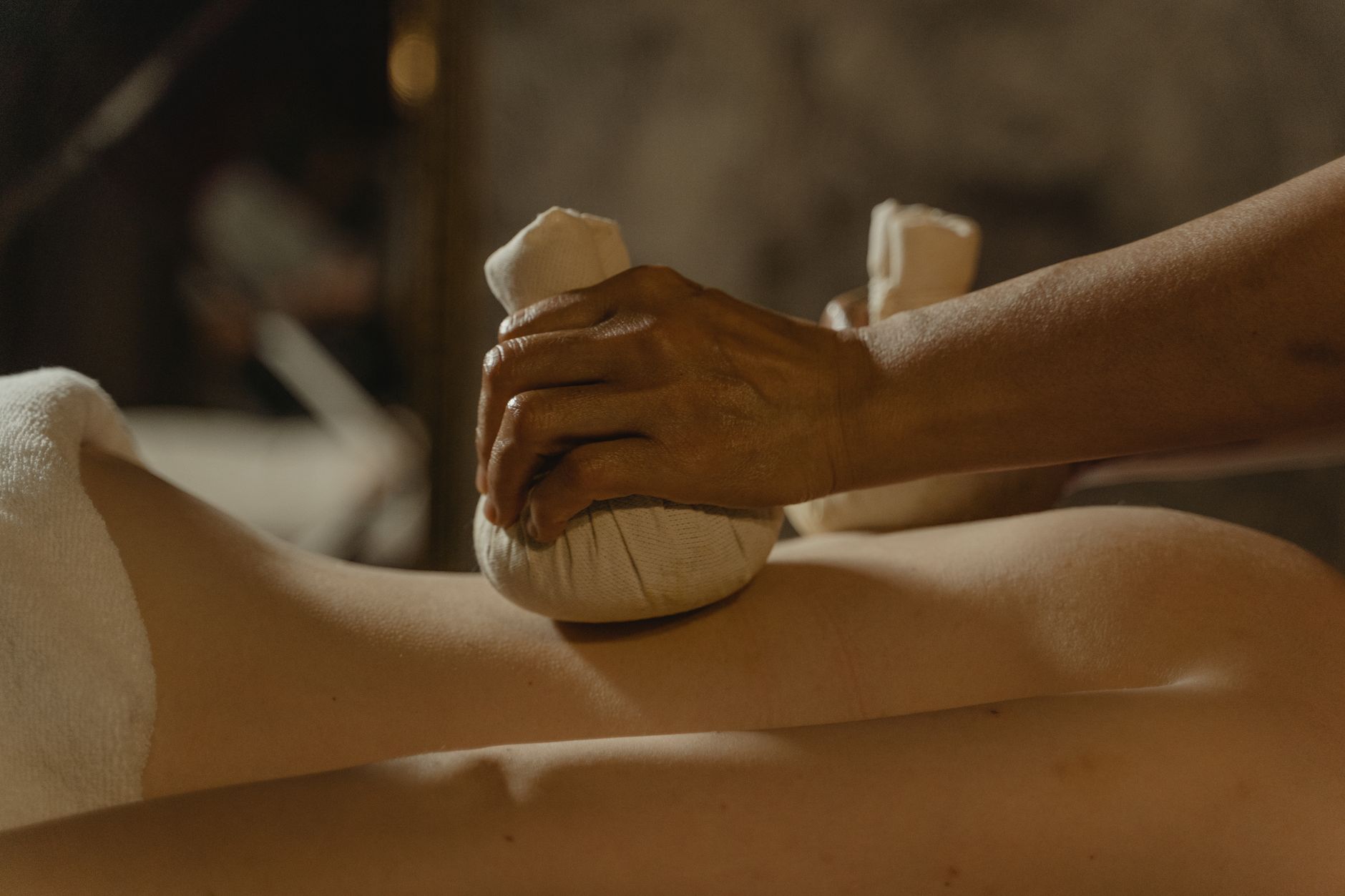
Know what you are signing up for. Abhyanga involves being oiled from scalp to feet, wearing almost nothing, on a wooden droni table, by therapists of your own gender — say so if you were not asked. You will leave greasy; do not book a dinner reservation for an hour afterwards, and do not swim or shower in cold water. Kizhi, the hot herbal poultice treatment, is the best single choice for stiff shoulders after long flights. Choose a centre in Ernakulam, Kadavanthra or Panampilly Nagar over a beach-road walk-in.
5. A hotel spa massage, honestly rated
The four and five-star hotels along Marine Drive, in Willingdon Island and on the bypass at Kakkanad and Vyttila run polished spas with Ayurveda-branded treatments: a beautiful room, hot towels, soft lighting, a therapist who has been trained to a hospitality standard, and no medical consultation. As a way to spend ninety minutes after a Munnar drive, it is entirely pleasant. As Ayurveda, it is a massage with medicated oil.
Prices sit at ₹3,500-6,000 for 60-90 minutes plus taxes and often a service charge, which is roughly double a clinic rate for a less rigorous treatment. Book it when you want comfort, privacy, a good shower afterwards and no travel across town — genuinely worth something on a two-night trip. Do not book it expecting a doctor, a diagnosis or a diet. And do not book the couples-suite version as your only Ayurveda experience, because it is the furthest thing on this list from what the tradition actually does.
6. Consultations, pharmacies and taking Ayurveda home
The cheapest and most underrated entry point is simply a consultation. A physician at an established Ayurveda hospital in the city will take a history, examine you and prescribe — often oils, churnas and a diet rather than an in-patient course — for a consultation fee that is usually in the low hundreds of rupees. If you have a chronic complaint and no time for treatment, that alone is worth doing, and it tells you whether a fortnight next year would be justified.
Kerala's well-known Ayurvedic pharmacy brands, including the Kottakkal Arya Vaidya Sala network and the state-owned Oushadhi, sell medicines through branded outlets across Ernakulam, and buying from these rather than from a souvenir shop is the difference between a manufactured medicine with a batch number and an unlabelled bottle of scented oil. Check your home country's rules on importing herbal preparations before you buy in quantity — several restrict certain ingredients and metals. Keep the pharmacy bill and the packaging.
What to skip, and how to spot a bad centre
Skip the walk-in massage rooms on the tourist streets of Fort Kochi advertising Ayurveda on a painted board with no doctor's name, no certificate and no consultation. Skip anywhere that offers cross-gender massage as standard, quotes a suspiciously round ₹1,000 for an hour of everything, or pressures you into a package on the spot. Skip 45-minute panchakarma, which does not exist. And be sceptical of any centre that will not tell you which oils it uses or where they are made.
Good signs, by contrast: a doctor's registration displayed, a valid Kerala Tourism Green Leaf or Olive Leaf certificate, therapists who ask about your medical history and current medication, a wooden droni table that gets cleaned between clients, and a treatment plan written down. Ayurveda is contraindicated for some conditions and interacts with some prescription drugs, so tell the physician everything and check with your own doctor before starting an intensive course. Booked properly, a week in Kochi's monsoon is one of the better health investments a traveller can make here.
Good to know
Questions, answered
What are the Green Leaf and Olive Leaf certificates?
They are Kerala Tourism's voluntary classifications for Ayurveda centres, assessed against published standards on doctor qualifications, therapist training, facilities and hygiene, with Green Leaf the higher grade. A displayed certificate shows a centre has been inspected. Confirm it is valid and current rather than accepting a framed copy at face value.
How long does a genuine panchakarma course take?
Seven days at an absolute minimum, and physicians usually prescribe 14 to 21 for meaningful results, because purification therapies run in stages with preparation and recovery periods. Anything sold as a two or three-day panchakarma is a massage package. Residential courses commonly start around ₹60,000 for a week including stay and food.
Is the monsoon really the best time for Ayurveda in Kerala?
Traditionally yes — the Karkidakam month, roughly mid-July to mid-August, is when Kerala families take rejuvenation therapy, and clinics are at their most practised. Hotel rates are also at their annual low. The trade-off is heavy rain, rough seas and poor sightseeing weather, so plan the trip around treatment.
How much should a single Ayurveda massage cost in Kochi?
At a proper clinic with a doctor on site, expect ₹1,800-3,000 for a 60-75 minute abhyanga and ₹2,000-3,500 for shirodhara. Hotel spas charge ₹3,500-6,000 plus taxes for a comparable hour. A quoted ₹1,000 all-in on a tourist street usually means no consultation and untrained therapists.
Doing good is the business
Every booking in Kochi removes one tonne of CO₂
Same hotel, same room, same live price you would pay anywhere else — IMPT funds one verified tonne of carbon removal per stay, never added to your bill.